AI Drone Swarms: The Most Dangerous Military Technology Ever Created
AI Drone Swarms: The Most Dangerous Technology Ever Created
Artificial Intelligence is rapidly changing the future of warfare. Among the most powerful and controversial developments is the rise of AI-powered drone swarms. These intelligent groups of autonomous drones could become one of the most dangerous technologies ever created.
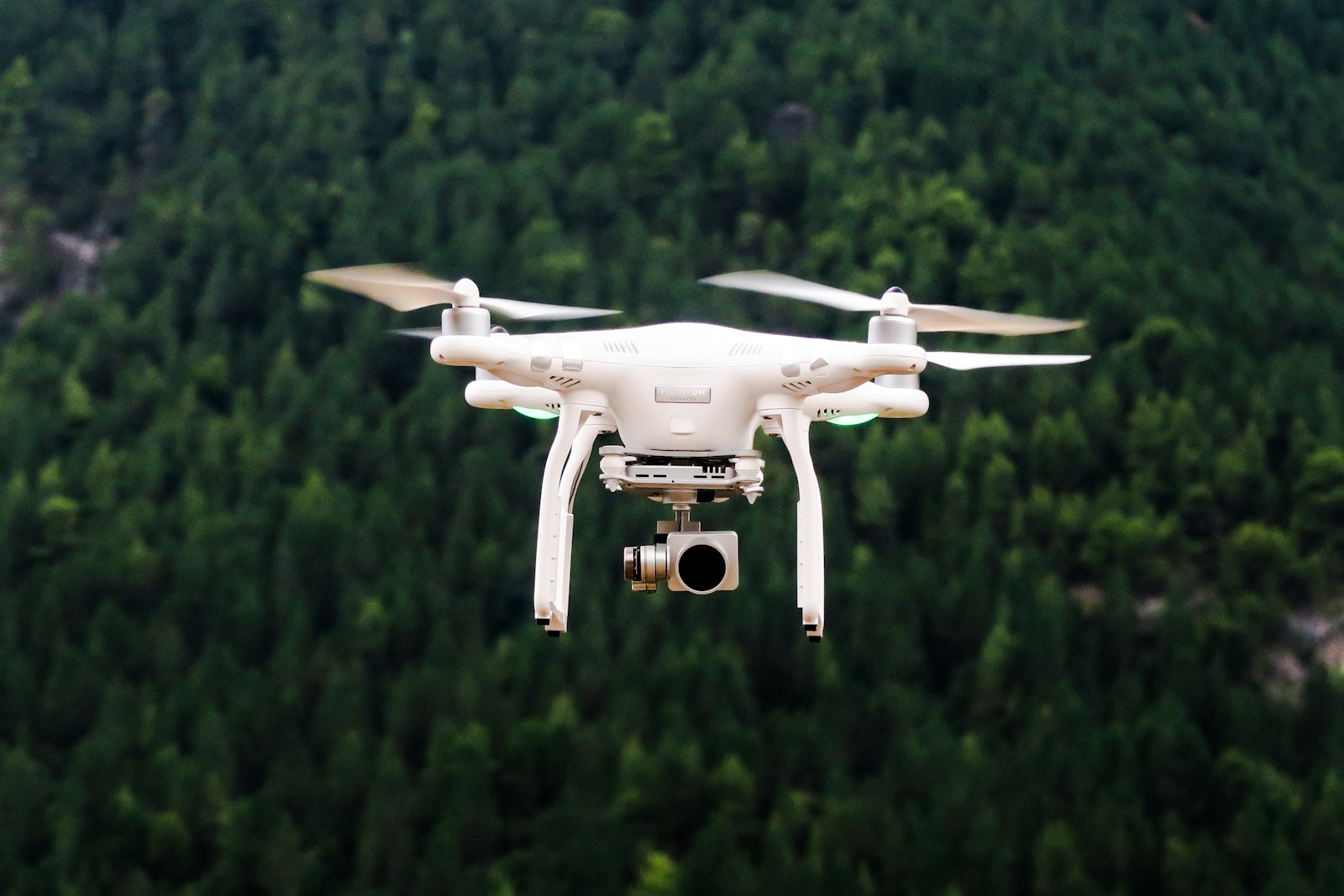
In recent years, drones have become essential tools in military operations. They are used for surveillance, reconnaissance, and precision strikes. However, when artificial intelligence is combined with drone technology, the result is far more powerful: coordinated drone swarms capable of acting as a single intelligent unit.
Military researchers believe these swarms could completely transform the way wars are fought in the future.
What Are AI Drone Swarms?
AI drone swarms are groups of autonomous drones connected through artificial intelligence algorithms. Instead of being controlled individually by human pilots, these drones communicate with each other and operate together as a coordinated system.
Each drone collects data using cameras, sensors, and radar systems. The information is then shared across the swarm, allowing the entire group to respond instantly to changes in the battlefield environment.
- Autonomous navigation using AI
- Real-time communication between drones
- Coordinated swarm movement
- AI-powered target detection
- Automated attack strategies

Why Drone Swarms Are So Dangerous
The real power of drone swarms lies in their ability to overwhelm traditional defense systems. Most missile defense systems are designed to intercept a limited number of incoming threats. But a swarm of hundreds of small drones could attack simultaneously from multiple directions.
This makes them extremely difficult to stop using conventional weapons.
1. Overwhelming Air Defenses
Traditional air defense systems struggle to handle large numbers of incoming targets. A swarm attack could saturate defenses and allow some drones to reach their targets.
2. Low Production Cost
Compared to fighter jets or missiles, small drones are relatively inexpensive to manufacture. This means countries could deploy large swarms at a fraction of the cost of traditional weapons.
3. Autonomous Decision Making
AI systems allow drones to identify targets and make tactical decisions without waiting for human commands. This increases speed but also raises serious ethical concerns.

Real-World Development of Drone Swarms
Several countries are actively developing swarm drone technology. Military research programs are testing systems that can launch dozens or even hundreds of drones from aircraft, ships, or ground vehicles.
These drones can perform multiple missions including:
- Surveillance and reconnaissance
- Electronic warfare
- Target tracking
- Precision attacks
- Intelligence gathering
Some experimental drone swarms are even capable of operating in environments where communication signals are jammed or GPS signals are blocked.
AI and the Future Battlefield
The future battlefield may look very different from the wars fought in the past. Instead of large armies and traditional tanks, conflicts could involve autonomous machines controlled by artificial intelligence.
Drone swarms could perform missions such as scouting enemy territory, disrupting communications, or carrying out coordinated attacks on strategic targets.
Because these systems operate at machine speed, battles could unfold much faster than human commanders can react.
Ethical Concerns About Autonomous Weapons
One of the biggest concerns surrounding AI drone swarms is the possibility of autonomous weapons making life-and-death decisions without human supervision.
Human rights organizations and technology experts warn that such systems could create new risks for global security.
Questions about accountability also arise. If an autonomous drone swarm makes a mistake and attacks the wrong target, it may be difficult to determine who is responsible.
Could Drone Swarms Change Global Warfare?
Many military analysts believe drone swarms could become one of the most disruptive technologies in warfare. Their speed, adaptability, and low cost make them attractive tools for modern military strategies.
However, without proper regulations and international agreements, these technologies could trigger a new arms race in autonomous weapons.
The challenge facing the world today is balancing technological innovation with responsible use of artificial intelligence.
Conclusion
AI drone swarms represent a powerful combination of artificial intelligence, robotics, and advanced military technology. While they offer new capabilities for defense and surveillance, they also introduce serious risks that could reshape global conflicts.
As AI continues to evolve, governments and international organizations must carefully consider how these technologies should be regulated to ensure they are used responsibly.
The future of warfare may not be controlled by soldiers alone, but by intelligent machines working together in vast autonomous swarms.
Category: Artificial Intelligence | Military Technology | Future Warfare
Read more on our website: AI Future Tech


Comments
Post a Comment