AI in Healthcare: Benefits and Real-World Examples (2026)
Artificial Intelligence in Healthcare: How AI Is Transforming Medicine in 2026
Artificial Intelligence (AI) has become one of the most powerful forces shaping modern healthcare. By 2026, AI is no longer limited to experimental labs or research papers — it is actively used in hospitals, clinics, laboratories, and remote care systems worldwide.
From early disease detection to robotic-assisted surgeries and personalized treatment plans, AI is redefining how healthcare professionals diagnose, treat, and monitor patients. This article explores how artificial intelligence is transforming healthcare in 2026, supported by real-world use cases and future-focused insights.

Why Artificial Intelligence Is Important in Healthcare
Healthcare systems generate massive volumes of data every day, including medical images, lab reports, electronic health records, and wearable device data. Analyzing this information manually is time-consuming and prone to human error.
AI systems can process large datasets quickly and consistently, helping healthcare professionals make faster and more accurate decisions. In 2026, this capability is critical as healthcare demands continue to grow globally.
- Improved diagnostic accuracy
- Reduced workload for medical staff
- Faster treatment decisions
- Better patient outcomes

Key Benefits of AI in Healthcare
Early Disease Detection and Diagnosis
One of the most impactful uses of AI in healthcare is early disease detection. AI-powered systems analyze medical images such as X-rays, CT scans, and MRIs to identify abnormalities that may be difficult for the human eye to detect.
In 2026, AI tools are widely used in radiology and pathology to assist doctors in identifying cancers, neurological disorders, and cardiovascular diseases at earlier stages, when treatment is more effective.

Personalized and Precision Medicine
Traditional treatments often follow generalized approaches. AI enables personalized medicine by analyzing genetic data, lifestyle factors, and medical history to recommend treatments tailored to individual patients.
This approach reduces side effects, improves recovery rates, and enhances overall patient satisfaction. By 2026, precision medicine powered by AI is becoming a standard practice in advanced healthcare systems.
Accelerated Drug Discovery and Research
Drug development is traditionally expensive and time-consuming. AI dramatically accelerates this process by identifying potential compounds, predicting drug interactions, and simulating clinical trials.

AI in Hospitals and Clinical Settings
Smart Hospitals and Workflow Automation
Hospitals in 2026 increasingly rely on AI to optimize workflows. AI systems manage patient scheduling, predict bed availability, and automate administrative tasks, allowing healthcare staff to focus more on patient care.
This automation reduces operational costs while improving efficiency and minimizing human error.
Robotic-Assisted Surgery
AI-powered robotic systems assist surgeons with high-precision procedures. These systems enhance accuracy, reduce invasiveness, and shorten recovery times for patients.
Surgeons maintain full control while AI provides real-time guidance and predictive insights during operations.

Remote Care, Wearables, and Telemedicine
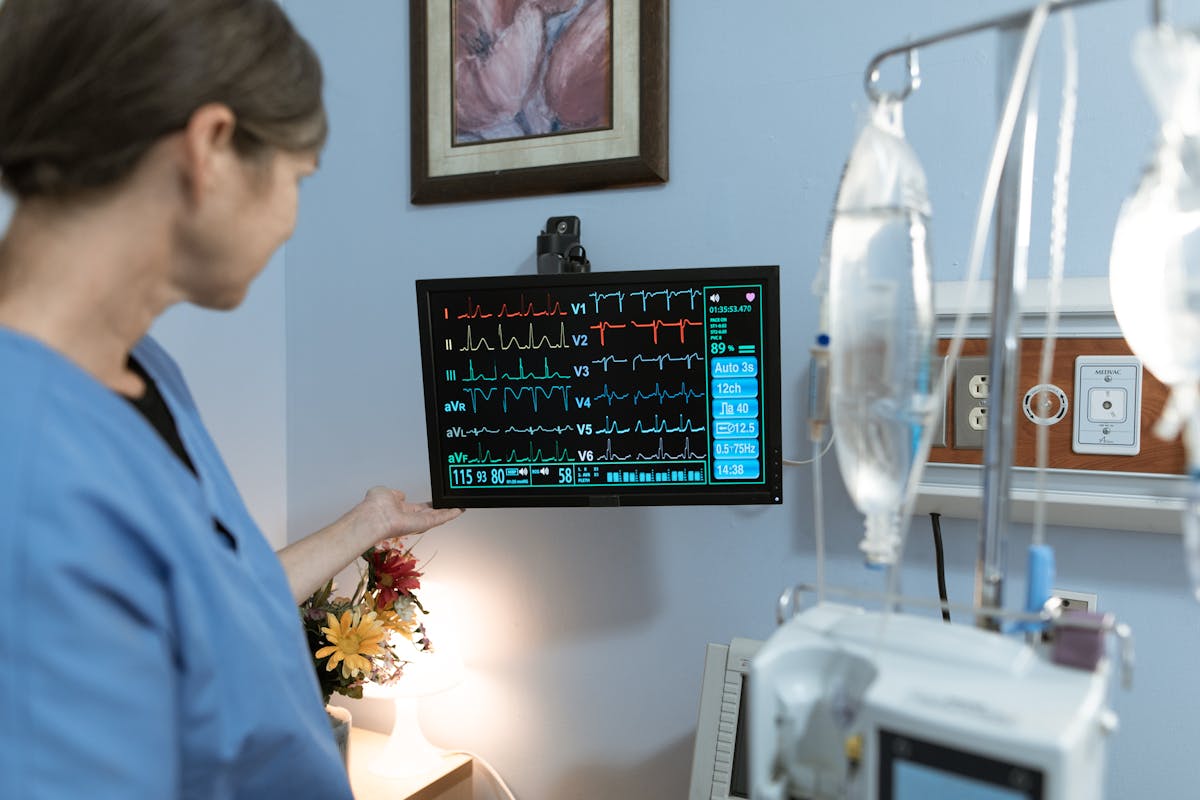
AI-driven remote care solutions have expanded significantly by 2026. Wearable devices continuously track vital signs such as heart rate, oxygen levels, and sleep patterns.
AI algorithms analyze this data and alert healthcare providers when abnormalities are detected, enabling early intervention. This is especially valuable for elderly patients and those with chronic conditions.

Ethical Challenges and Responsible AI Use
Despite its advantages, AI in healthcare raises ethical concerns. Data privacy, algorithmic bias, and transparency remain important issues. Ensuring responsible AI use is a major focus for healthcare organizations in 2026.
- Protecting sensitive patient data
- Reducing bias in AI models
- Maintaining human oversight in decision-making

The Future of AI in Healthcare
Looking ahead, AI will continue to evolve healthcare through deeper integration with wearable devices, predictive analytics, and personalized digital health platforms. AI-driven preventive care is expected to reduce hospital admissions and improve long-term health outcomes.
By combining innovation with ethical responsibility, AI has the potential to make healthcare more accessible, efficient, and patient-centered in the years ahead.
Conclusion
Artificial Intelligence is fundamentally transforming healthcare in 2026. From diagnosis and treatment to research and remote care, AI is improving accuracy, efficiency, and accessibility across the medical field.
As technology continues to advance, the collaboration between humans and intelligent systems will define the future of medicine.


Comments
Post a Comment