AI vs Human Intelligence: Key Differences, Strengths, and the Future (2026)
AI vs Human Intelligence: Key Differences, Strengths, and the Future (2026)
As artificial intelligence continues to evolve rapidly, a common question arises: How does AI compare to human intelligence? By 2026, AI systems are capable of performing complex tasks once thought to be exclusive to humans, from language understanding to medical diagnosis.
However, human intelligence remains uniquely powerful in creativity, emotions, ethical reasoning, and adaptability. This article explores the differences, strengths, and future relationship between AI and human intelligence.

What Is Artificial Intelligence?
Artificial Intelligence refers to computer systems designed to perform tasks that typically require human intelligence. These tasks include learning from data, recognizing patterns, understanding language, and making decisions.
In 2026, AI is widely used in industries such as healthcare, finance, education, manufacturing, and transportation. Modern AI systems rely on machine learning and deep learning to continuously improve performance.
What Is Human Intelligence?
Human intelligence is the natural cognitive ability of humans to think, reason, learn, adapt, and understand emotions. It develops through life experiences, education, culture, and social interaction.
Unlike AI, human intelligence is deeply connected to consciousness, emotions, creativity, and moral judgment. These qualities allow humans to navigate complex social situations and make value-based decisions.
Key Differences Between AI and Human Intelligence
| Aspect | Artificial Intelligence | Human Intelligence |
|---|---|---|
| Learning Method | Learns from large datasets and algorithms | Learns from experience, emotions, and context |
| Creativity | Generates based on patterns and data | Original, imaginative, and emotional |
| Emotions | No real emotions or consciousness | Emotional awareness and empathy |
| Adaptability | Limited to training and programming | Highly flexible and intuitive |
| Ethical Judgment | Depends on human-defined rules | Based on values, ethics, and culture |
Strengths of Artificial Intelligence
AI excels in tasks that require speed, accuracy, and consistency. It can analyze massive amounts of data in seconds, making it ideal for applications such as diagnostics, fraud detection, and predictive analytics.
- Processes data faster than humans
- Works continuously without fatigue
- Reduces human error in repetitive tasks
- Scales easily across systems

Strengths of Human Intelligence
Human intelligence shines in areas where emotional understanding, creativity, and ethical reasoning are essential. Humans can make decisions with incomplete information and adapt quickly to new, unexpected situations.
- Creative thinking and imagination
- Emotional intelligence and empathy
- Complex problem-solving
- Moral and ethical reasoning

Can AI Replace Human Intelligence?
Despite rapid advancements, AI cannot fully replace human intelligence. AI lacks consciousness, emotions, and moral understanding. It operates within the limits of its programming and training data.
The most successful systems combine AI’s efficiency with human creativity and decision-making.
The Future Relationship Between AI and Humans
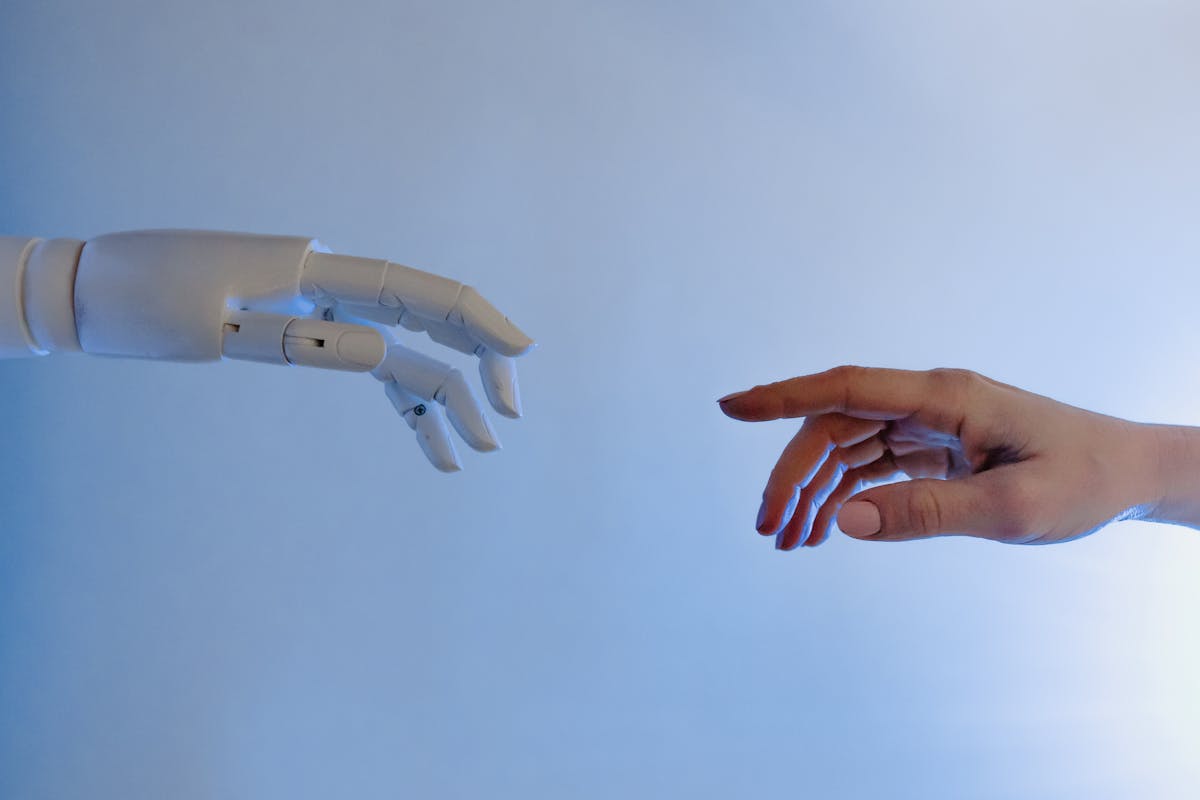
Looking ahead, the future lies in collaboration. AI will continue to assist humans in complex tasks, while humans provide direction, creativity, and ethical oversight.
Education systems and workplaces are already adapting to prepare people for AI-assisted environments, emphasizing skills such as critical thinking, digital literacy, and adaptability.

Conclusion
Artificial Intelligence and human intelligence each have unique strengths. AI offers speed, efficiency, and data-driven insights, while humans provide creativity, empathy, and ethical judgment.
In 2026 and beyond, the goal is not competition, but collaboration — using AI to empower humans and shape a smarter, more responsible future.


Comments
Post a Comment